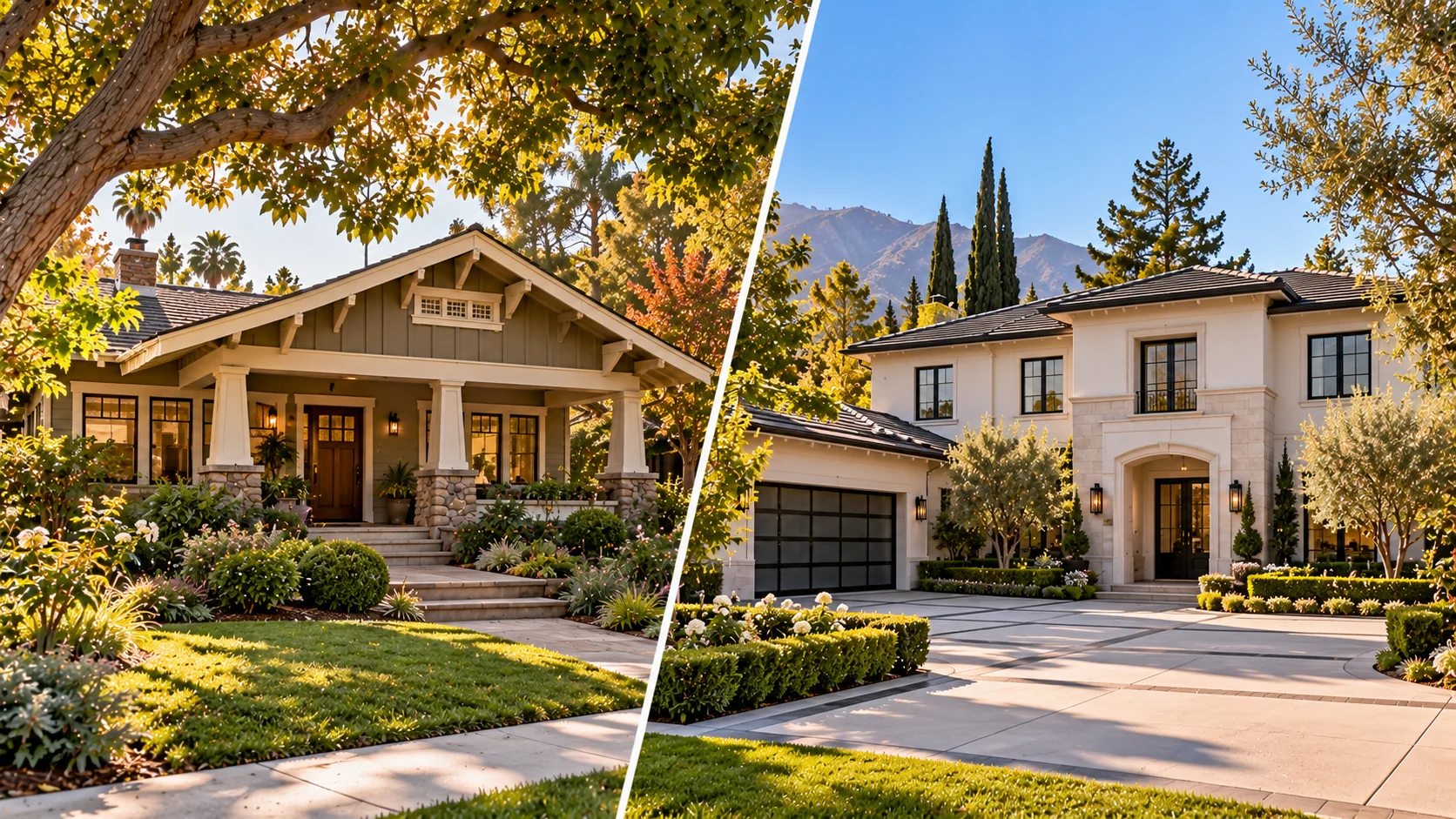
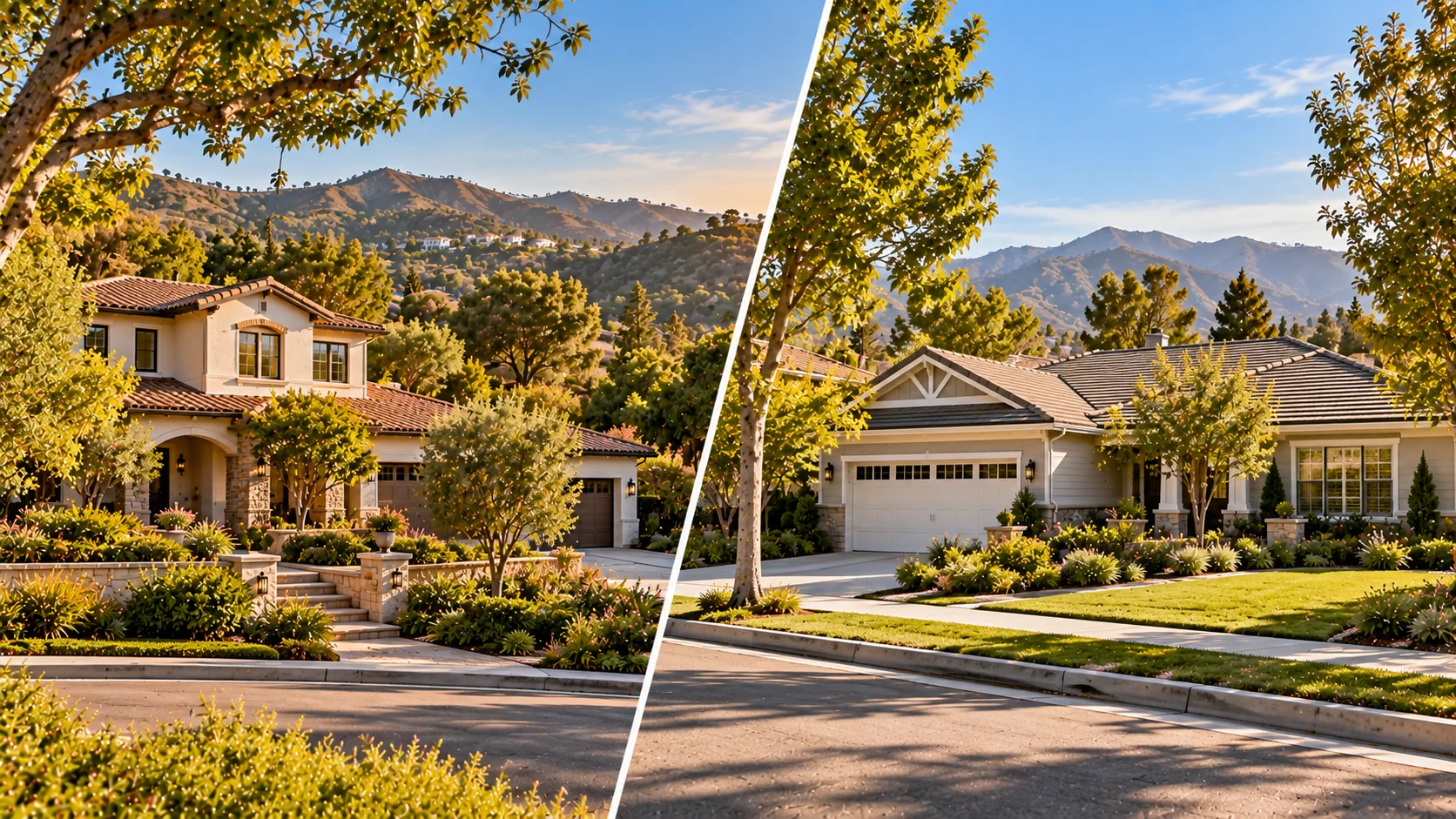
Choosing between Thousand Oaks and Camarillo means comparing two appealing communities in Ventura County, each with its own residential character, housing options, and lifestyle advantages. Both offer access to Southern California’s outdoor recreation, established neighborhoods, and a variety of homes, but the experience of living in each city can be quite different.
Thousand Oaks may appeal to buyers seeking established residential neighborhoods, hillside surroundings, larger homes in select areas, and access to open spaces and hiking trails. Camarillo may attract buyers who appreciate a suburban atmosphere, a range of single-family homes and attached residences, and convenient access to local shopping and regional transportation routes.
Neither city is automatically the better choice. The right community depends on your budget, preferred home style, commute, outdoor-space needs, and priorities for everyday living.
If you are relocating within Southern California or exploring Ventura County for the first time, understanding the differences between Thousand Oaks vs. Camarillo neighborhoods can help you make a more informed decision.
Exploring Thousand Oaks Neighborhoods and Home Styles
Thousand Oaks is known for its suburban residential areas, landscaped streets, and proximity to natural open spaces. The city’s housing options include traditional single-family homes, ranch-style properties, contemporary residences, townhomes, and larger homes in selected neighborhoods.
Buyers who appreciate a residential setting with access to parks, trails, and outdoor recreation may find Thousand Oaks worth exploring.
Traditional Single-Family Homes and Established Neighborhoods
Traditional single-family homes are an important part of Thousand Oaks’ residential landscape. Depending on the neighborhood, buyers may encounter one-story ranch-style houses, two-story traditional homes, and properties with established landscaping and private yards.
These homes can appeal to buyers looking for a conventional residential layout, with separate bedrooms, defined living areas, and outdoor space for gardening or entertaining.
Some older properties may offer mature trees and established gardens, while renovated homes may feature updated kitchens, remodeled bathrooms, and more contemporary interior finishes.
However, buyers should not assume that an established neighborhood guarantees a particular lot size or floor plan. Property dimensions, privacy, maintenance requirements, and the condition of the home vary from one listing to another.
Before making an offer, consider the age of major systems, roof condition, drainage, insulation, and any improvements that may require further inspection. If the property has been remodeled, review the available permits and renovation documentation.
Larger Homes, Hillside Properties, and Scenic Settings
Some Thousand Oaks neighborhoods include larger homes, elevated properties, and residences with views of surrounding hills or natural landscapes.
For buyers seeking more interior space or a distinctive setting, these properties may offer features such as larger bedrooms, multiple living areas, private outdoor entertaining spaces, or room for a home office.
Hillside homes can also present additional considerations. A sloped lot may have retaining walls, specialized drainage systems, stepped landscaping, or access arrangements that require careful evaluation.
A scenic view does not automatically mean a property is easy to maintain or suitable for future expansion. Buyers should review the property’s topography, drainage, access, landscaping requirements, and applicable local restrictions.
If a larger or hillside property is on your shortlist, arrange appropriate inspections and investigate any planned improvements before committing. Understanding the ongoing maintenance responsibilities can help you determine whether the home’s setting is worth the additional effort.
Townhomes, Condominiums, and Lower-Maintenance Options
Thousand Oaks also offers attached housing options, including townhomes and condominiums in selected communities.
These properties can suit buyers who prefer a smaller private outdoor area or want access to shared amenities without maintaining a large detached home. Depending on the development, features may include common landscaping, recreational facilities, parking areas, and shared outdoor spaces.
For first-time buyers, downsizers, or people who spend significant time away from home, a lower-maintenance property may be an appealing alternative to a larger house.
The trade-off is that attached housing can involve homeowners association fees, community rules, shared maintenance obligations, and restrictions on certain improvements.
Review the association’s financial condition, reserve funding, insurance arrangements, governing documents, and any anticipated special assessments. Clarify what the association maintains and which repairs remain the owner’s responsibility.
A townhome or condominium may provide the right balance of convenience and space, but the details of the individual community are just as important as the property’s appearance.
Understanding Camarillo Neighborhoods and Housing Options
Camarillo offers a mix of established residential neighborhoods, newer housing developments, single-family homes, and attached residences. Its suburban character and access to local shopping, parks, and regional roads can make it attractive to buyers looking for a practical home base in Ventura County.
As in Thousand Oaks, housing options vary by neighborhood, property age, and development. Buyers should compare individual listings rather than assuming every area offers the same home styles or amenities.
Single-Story Homes and Traditional Residential Properties
Camarillo buyers can find traditional single-family homes, including properties with single-story layouts, attached garages, private yards, and separate living and sleeping areas.
For buyers who prefer fewer stairs, a single-story home can be especially appealing. It may also offer convenient access between the main living spaces and the backyard, depending on the floor plan.
Some established homes may need updating, while others have been renovated to include contemporary kitchens, updated bathrooms, and improved living spaces.
When evaluating an older property, pay attention to how well the layout fits your needs today. A home with fewer square feet but a functional floor plan may be more practical than a larger house with unused or poorly arranged rooms.
Also consider the property’s maintenance history. Roofing, plumbing, electrical systems, heating and cooling equipment, and drainage deserve attention regardless of whether the home looks recently updated.
Newer Developments and Contemporary Home Designs
Buyers searching for newer construction or more contemporary interiors may find suitable options in selected Camarillo neighborhoods.
Depending on the property, features may include open-plan kitchens, flexible living areas, larger primary bedrooms, attached garages, and layouts designed to support working from home.
Newer homes can reduce the need for immediate cosmetic updates, but buyers should still evaluate construction quality and the condition of installed systems. Permits, warranties, drainage, roof details, and inspection findings should all be considered before purchase.
The age of a development can also influence its character. Some neighborhoods feature consistent architectural designs and shared amenities, while established areas may have a broader variety of home styles and landscaping.
If you are considering new construction, review the purchase contract, construction timeline, builder warranties, and any community restrictions. Confirm which upgrades are included in the advertised price and which may involve additional costs.
Outdoor Space, Neighborhood Amenities, and Everyday Living
Outdoor space can be an important consideration when comparing Camarillo properties. Depending on the neighborhood, buyers may find private yards suitable for gardening, outdoor dining, recreation, or entertaining.
The practical value of a yard depends on more than its total size. Privacy, shade, sun exposure, drainage, and the amount of maintenance required can all affect how useful the space will be.
Some buyers may prefer a manageable patio rather than a large lawn. Others may prioritize room for a garden, pets, or outdoor gatherings.
Camarillo’s residential areas also vary in their proximity to parks, shopping, schools, and transportation routes. Before selecting a home, assess how easily you can reach the destinations that matter most to your daily routine.
If outdoor living is a major priority, compare the actual yard and neighborhood setting of each property rather than relying solely on listing descriptions.
Thousand Oaks vs. Camarillo: Comparing Lifestyle, Costs, and Location
The differences between Thousand Oaks and Camarillo become clearer when you consider the complete ownership experience. Housing style matters, but so do commute patterns, neighborhood amenities, maintenance requirements, and your plans for the future.
Neighborhood Atmosphere and Outdoor Recreation
Thousand Oaks may appeal to buyers who value access to hiking trails, parks, and open spaces, alongside established residential neighborhoods. The surrounding landscape contributes to the area’s appeal for people who enjoy outdoor activities and a suburban setting.
Camarillo offers its own combination of parks, residential streets, shopping destinations, and outdoor opportunities. Buyers may appreciate the city’s suburban atmosphere and access to amenities within the broader Ventura County region.
Neither city has one uniform neighborhood experience. Street design, traffic, nearby commercial areas, property density, and access to outdoor spaces can differ substantially by location.
Visit your preferred neighborhoods in person, ideally at different times of day. This can help you evaluate noise, parking, traffic, walkability, and the overall feel of the area.
Comparing Home Prices and Total Ownership Costs
The financial comparison between Thousand Oaks and Camarillo should begin with specific properties rather than broad assumptions about which city is less expensive.
Home prices can vary based on size, condition, lot dimensions, architectural style, location, and recent renovations. Market conditions also change, so current comparable sales and active listings are more useful than generalizations.
In Thousand Oaks, larger or hillside properties may involve additional landscaping, drainage, retaining-wall, or exterior maintenance costs, depending on the site. In Camarillo, older properties and homes in planned communities may have different maintenance or association-related expenses.
Before making a decision, build a realistic ownership budget that accounts for:
- Purchase price and financing costs.
- Property taxes and applicable assessments.
- Homeowners insurance.
- Homeowners association fees, where applicable.
- Routine repairs and long-term maintenance.
- Landscaping, utilities, and potential renovations.
A lower asking price does not necessarily mean lower long-term costs. A property requiring significant repairs or extensive landscaping may ultimately be more expensive to own than a well-maintained home with a higher initial price.
Commute, Transportation, and Regional Access
Your commute can have a significant effect on your daily quality of life. Thousand Oaks and Camarillo provide access to different regional routes, but the best choice depends on your destination and travel schedule.
If you commute regularly, test the routes you would actually use and check typical travel conditions during your expected departure times. Distance alone does not reliably indicate how long a trip will take.
Consider other regular destinations as well, including schools, medical appointments, grocery stores, family, and recreational activities.
If you work remotely, your priorities may be different. You might place greater importance on a dedicated office, reliable internet service, a quiet room, or outdoor space.
The most convenient location is the one that supports your real routine, not simply the one that looks closest on a map.
Which City Is Better for Your Long-Term Plans?
Thousand Oaks may be a strong candidate if you are drawn to established residential neighborhoods, access to open spaces, or selected properties with larger footprints and scenic settings.
Camarillo may be worth prioritizing if you prefer its particular mix of suburban neighborhoods, single-story homes, newer developments, and local conveniences.
These are starting points, not fixed rules. Both cities offer a range of property types, and the right home may be found in either location.
Think about how your needs might change over time. A flexible floor plan, accessible bedroom, home office, manageable yard, or additional storage may become increasingly valuable as your circumstances evolve.
If resale matters to you, evaluate the property’s location, condition, functionality, and likely buyer appeal. Avoid assuming that one city or architectural style guarantees future appreciation. The market and the individual home will determine much of the outcome.
Frequently Asked Questions About Thousand Oaks vs. Camarillo Neighborhoods
1. Is Thousand Oaks or Camarillo better for buying a home?
Neither city is universally better. Thousand Oaks may appeal to buyers seeking established residential neighborhoods and access to open spaces, while Camarillo offers a range of suburban housing options and newer developments in selected areas. The right choice depends on budget, preferred home style, commute, and lifestyle.
2. What types of homes are available in Thousand Oaks?
Thousand Oaks offers a variety of housing options, including traditional single-family homes, ranch-style properties, larger homes in selected neighborhoods, townhomes, and condominiums. Property features, lot sizes, and conditions vary by location and listing.
3. What types of homes can I find in Camarillo?
Camarillo has traditional single-family residences, single-story homes, attached housing, and newer construction in selected neighborhoods. Buyers should compare the specific layout, condition, outdoor space, and community features of individual properties.
4. Is Camarillo more affordable than Thousand Oaks?
Affordability depends on the particular home, current market conditions, property taxes, insurance, maintenance, and any association fees. Compare current listings and recent comparable sales in the neighborhoods you are considering rather than relying on a citywide assumption.
5. How do I choose the right neighborhood in Thousand Oaks or Camarillo?
Identify your preferred home style, budget, commute, outdoor-space needs, and access to amenities. Tour several neighborhoods, compare property conditions, and estimate total ownership costs. A local real estate professional can help you narrow the options based on your priorities.
Find Your Next Home in Thousand Oaks or Camarillo
Choosing between Thousand Oaks and Camarillo is about more than comparing house prices or architectural styles. The right property should fit your daily routine, preferred neighborhood atmosphere, budget, and long-term plans.
Whether you are looking for a traditional single-family home, a hillside residence, a single-story property, a modern house, or a lower-maintenance townhome, a focused search can help you identify the strongest options in both communities.
Ready to explore homes in Thousand Oaks or Camarillo? Contact Jeff for personalized guidance on comparing neighborhoods, evaluating available properties, and finding a home that fits your Southern California lifestyle.