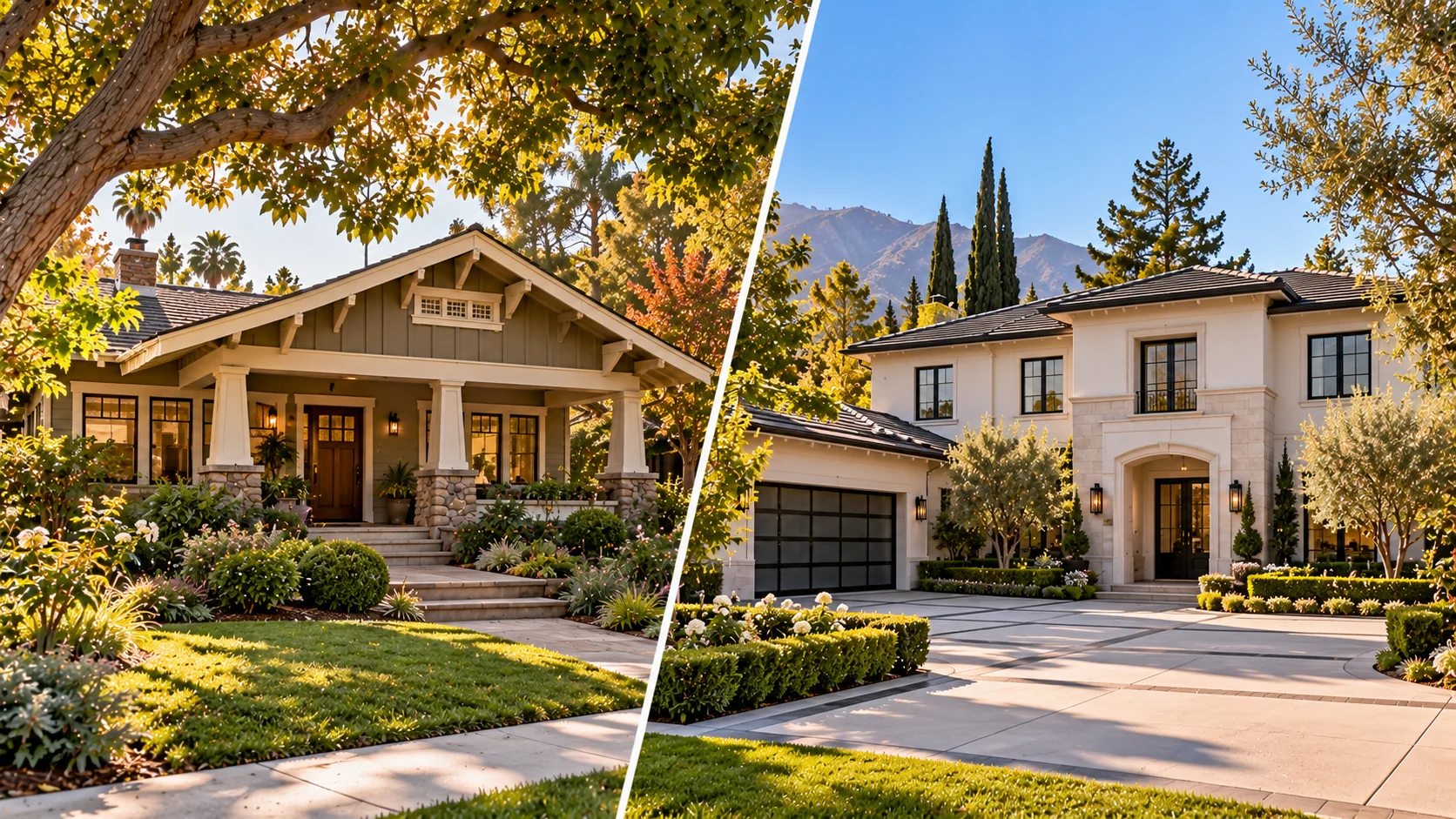

Choosing between Newport Beach and Irvine means deciding what kind of home and lifestyle you want in Orange County. Although these neighboring cities are relatively close, their residential environments can feel very different. Newport Beach is known for its coastal setting, waterfront properties, beach-oriented neighborhoods, and a range of luxury homes. Irvine is recognized for its planned communities, contemporary housing options, townhomes, condominiums, and established single-family neighborhoods.
For some buyers, the appeal of Newport Beach is the opportunity to live near the ocean, enjoy waterfront surroundings, or find a property with distinctive coastal architecture. Others may prefer Irvine’s organized residential communities, neighborhood amenities, and variety of housing options designed around modern living.
Neither city is the right choice for every buyer. The ideal location depends on your budget, desired home type, maintenance preferences, commute, outdoor-space requirements, and long-term plans.
Understanding the differences between Newport Beach vs. Irvine home types can help you compare properties more effectively and focus your search on homes that fit your needs.
Exploring Newport Beach Home Types and Coastal Architecture
Newport Beach offers a varied residential landscape shaped by its coastal location, harbor, beaches, and established neighborhoods. Depending on the area, buyers may encounter waterfront properties, contemporary residences, traditional single-family homes, condominiums, and luxury estates.
The city’s housing options can appeal to buyers who place a high value on coastal surroundings, proximity to the water, and distinctive architectural settings.
Waterfront Homes and Harborfront Properties
Waterfront properties are among Newport Beach’s most distinctive residential offerings. Depending on the location, a home may overlook a harbor, sit along a canal, or provide direct water access and a private dock.
These properties can be attractive to buyers who enjoy boating, waterfront entertaining, and views that make the surrounding landscape a central part of everyday life.
However, not every waterfront home offers the same experience. A property’s orientation, dock configuration, water access, privacy, and exposure to passing boats can significantly affect its appeal.
Buyers should investigate several details before purchasing a waterfront residence:
- Water access: Confirm the specific rights, access arrangements, and permitted uses associated with the property.
- Dock and seawall condition: Determine whether inspections or repairs may be needed.
- Flood and insurance considerations: Review the property’s exposure and obtain appropriate insurance guidance.
- Maintenance requirements: Understand the effects of coastal conditions on exterior materials, metal fixtures, and mechanical systems.
- Renovation restrictions: Verify local rules and any applicable requirements governing docks, seawalls, additions, and waterfront improvements.
Waterfront living can offer a distinctive experience, but it also requires careful property-specific due diligence. Buyers should evaluate the practical responsibilities alongside the lifestyle benefits.
Coastal Cottages, Traditional Homes, and Contemporary Residences
Newport Beach includes more than waterfront estates. Buyers can also explore coastal cottages, traditional residences, updated beach-area homes, and contemporary properties.
Some homes feature light-colored exteriors, expansive windows, open living spaces, and outdoor entertaining areas. Others retain a more traditional architectural character, with established landscaping and layouts shaped by the property’s age and original design.
Contemporary residences may prioritize natural light, indoor-outdoor connections, modern kitchens, and flexible living spaces. In beach-oriented areas, outdoor showers, patios, and storage for recreational equipment may also be practical considerations.
The key is to evaluate the specific neighborhood and home rather than assuming every Newport Beach property offers direct beach access or waterfront views. Proximity to the coast, walkability, privacy, parking, and lot size can vary significantly.
For buyers who want a coastal atmosphere without purchasing directly on the water, a non-waterfront property may provide a useful balance between location, lifestyle, and cost.
Luxury Estates, Condominiums, and Low-Maintenance Living
Newport Beach also offers luxury single-family homes, attached residences, and condominiums in a range of neighborhood settings.
Larger luxury properties may feature expansive living areas, multiple bedrooms, outdoor entertaining spaces, swimming pools, or carefully designed landscaping. The exact amenities depend on the home and location.
Condominiums and other attached homes can appeal to buyers who prefer a smaller private footprint or want to reduce some of the exterior maintenance associated with a detached property.
However, lower-maintenance living does not mean maintenance-free ownership. Buyers should review homeowners association fees, reserve funding, community rules, insurance arrangements, and any planned assessments. These factors can influence the total cost of ownership.
When comparing Newport Beach properties, consider whether you would rather prioritize waterfront access, architectural design, a larger private home, or a residence that allows you to spend less time managing the property.
Understanding Irvine Home Types and Planned Communities
Irvine’s residential environment is strongly associated with planned communities, neighborhood amenities, and a broad selection of housing types. Buyers can explore condominiums, townhomes, detached single-family houses, newer construction, and larger residences in selected neighborhoods.
For people seeking a home that fits into a carefully organized community, Irvine may offer an appealing combination of residential options and shared amenities.
Townhomes and Condominiums
Townhomes and condominiums are important options for buyers exploring Irvine. These properties can offer modern interiors, attached garages in some developments, shared recreational facilities, and layouts designed to make efficient use of space.
Depending on the community, amenities may include swimming pools, fitness facilities, landscaped courtyards, clubhouses, or walking paths.
These features can be attractive to first-time buyers, professionals, downsizers, and people who prefer a more manageable property.
The ownership structure matters, however. A condominium owner typically owns an individual unit and shares ownership or responsibility for common areas through the association, while townhome ownership arrangements vary by development. Buyers should review the legal structure and governing documents rather than relying on the property’s marketing label.
Before purchasing, investigate:
- Monthly association fees and what they cover.
- Reserve funds and anticipated major repairs.
- Community rules affecting renovations, pets, rentals, and parking.
- Insurance responsibilities for the individual owner and association.
- The condition of shared amenities and common areas.
A well-managed community can offer convenience, but the association’s financial health and rules should be part of the buying decision.
Detached Single-Family Homes
Irvine also has detached single-family homes with different architectural styles, floor plans, and lot configurations.
Some properties offer two-story layouts, attached garages, private yards, and dedicated spaces for working or studying at home. Others have more compact footprints or designs that prioritize efficient indoor living.
Buyers may appreciate the opportunity to compare properties within planned neighborhoods that provide access to parks, paths, and community amenities. The actual features and restrictions vary by development, so it is important to investigate each community individually.
When evaluating a detached home, look at how the interior and exterior spaces work together. A property with fewer square feet may still offer a more functional layout than a larger home with poorly arranged rooms.
Consider the size of the kitchen, bedroom placement, storage, garage configuration, privacy, and the usability of the backyard. These details can have a greater impact on everyday comfort than the home’s overall square footage alone.
Newer Construction and Modern Floor Plans
Buyers interested in contemporary design may find newer homes and recently built communities in Irvine. Depending on the development, properties may feature open-plan living areas, modern kitchens, energy-conscious building systems, flexible rooms, and integrated indoor-outdoor spaces.
Newer construction can be appealing to buyers who want current design features without immediately undertaking a major renovation.
Nevertheless, newness should not replace due diligence. Buyers should review construction documentation, permits, warranties, inspections, drainage, and the quality of installed systems. If a property is still under construction, they should also understand the builder’s contractual terms, completion schedule, and any applicable purchase contingencies.
In addition, planned communities may have design guidelines or association requirements that affect exterior changes, landscaping, and future improvements.
The best newer home is not necessarily the one with the most upgrades. It is the property whose layout, construction quality, location, and ongoing costs match your priorities.
Newport Beach vs. Irvine: Lifestyle, Costs, and Location Considerations
The differences between Newport Beach and Irvine extend beyond their housing stock. Your daily routine, transportation needs, desired amenities, and long-term ownership goals should all influence your decision.
Coastal Living Versus a Planned Residential Environment
Newport Beach may appeal to buyers who want to make the coastal environment part of their everyday life. Depending on the neighborhood, residents may be close to beaches, harbor areas, waterfront paths, marinas, and coastal dining or shopping destinations.
The experience varies considerably by location. Some properties are oriented toward water activities, while others offer a more conventional residential setting with access to coastal amenities by car or on foot.
Irvine offers a different residential experience, with planned neighborhoods, parks, landscaped paths, shopping centers, and community amenities. Buyers who prefer an organized suburban setting may appreciate the ability to choose among different residential developments and housing types.
The better fit depends on your priorities. If coastal surroundings are central to your lifestyle, Newport Beach may be worth prioritizing. If you value planned residential communities and a broad range of housing configurations, Irvine deserves close consideration.
Comparing Property Costs and Total Ownership Expenses
Purchase price is only one part of the financial comparison. Two homes with similar asking prices can have very different ongoing costs based on their age, construction, location, insurance requirements, association fees, and maintenance needs.
In Newport Beach, buyers should pay particular attention to coastal exposure, waterfront infrastructure where applicable, and the costs associated with maintaining exterior materials in a marine environment. Waterfront properties may also require specialized inspections and additional review of insurance and flood-related considerations.
In Irvine, buyers of condominiums and townhomes should carefully assess association fees, reserve funding, and possible special assessments. Detached homes also require budgeting for roof maintenance, landscaping, utilities, repairs, and eventual system replacements.
Before making an offer, prepare a realistic ownership budget that includes:
- Mortgage and financing costs.
- Property taxes and applicable assessments.
- Homeowners insurance and any additional coverage required.
- Homeowners association fees, if applicable.
- Routine maintenance and repairs.
- Potential renovations or property-specific improvements.
Compare current listings and obtain professional estimates where necessary. Avoid relying on citywide assumptions to determine the true cost of a particular home.
Commute, Amenities, and Everyday Convenience
The best location is one that supports the way you actually live. Before choosing between Newport Beach and Irvine, map your regular trips to work, school, family, shopping, and recreational activities.
A home that looks ideal on a map may involve a longer commute than expected during peak traffic. Visit prospective neighborhoods at different times of day to evaluate traffic patterns, street activity, parking, and noise.
Also consider the amenities you are likely to use most often. Newport Beach buyers may prioritize beach access, harbor activities, and coastal recreation. Irvine buyers may place greater importance on neighborhood parks, community facilities, walking paths, and access to local shopping areas.
If you are relocating, spend time in both cities before deciding whenever possible. Touring homes and exploring nearby streets can help you understand how each location feels beyond its listing photographs.
Which Home Type Is the Best Fit for Your Long-Term Plans?
Think about how your needs may change over the next several years. A condominium may offer a practical starting point for one buyer, while a detached home with flexible living space may better suit another household.
For Newport Beach, consider whether you are prepared for the cost and maintenance associated with a coastal property and whether waterfront access is worth prioritizing. For Irvine, assess whether a planned community, attached residence, or detached home provides the right balance of space, convenience, and association requirements.
Future resale should also be considered, but avoid assuming that a particular city or property type guarantees stronger appreciation. Market conditions, interest rates, supply, property condition, and buyer demand can change over time.
Focus on a property that fits your financial position and daily needs today while remaining practical for your likely future plans.
Frequently Asked Questions About Newport Beach vs. Irvine Home Types
1. What is the main difference between Newport Beach and Irvine homes?
Newport Beach offers a range of coastal properties, including waterfront homes, luxury residences, cottages, condominiums, and traditional houses. Irvine is known for planned residential communities with townhomes, condominiums, detached single-family homes, and newer construction. Both cities have varied housing options, so the specific neighborhood and property matter.
2. Is Newport Beach or Irvine better for buying a luxury home?
Both cities have luxury properties, but the type of luxury home may differ. Newport Beach may appeal to buyers seeking waterfront locations, coastal architecture, or harbor-oriented living. Irvine offers larger and custom residences in selected neighborhoods, as well as newer homes with contemporary layouts. The right choice depends on your budget, preferred setting, and desired features.
3. Are there townhomes and condominiums in both Newport Beach and Irvine?
Yes. Both cities offer attached housing options, although availability, design, location, and community amenities vary. Buyers should compare association fees, maintenance responsibilities, parking, governing documents, and any restrictions on renovations or rentals before purchasing.
4. What should buyers consider before purchasing a waterfront home in Newport Beach?
Buyers should investigate water access, dock or seawall condition where applicable, coastal exposure, flood-related considerations, insurance availability and cost, and any restrictions on improvements. A qualified property inspector and appropriate insurance or legal professionals can help assess risks specific to the home.
5. How do I choose between Newport Beach and Irvine when relocating to Orange County?
Start with your preferred home type, budget, commute, outdoor-space needs, and desired neighborhood environment. Compare total ownership costs rather than just asking prices, and visit specific neighborhoods in both cities. A local real estate professional can help you identify suitable listings and evaluate how each property’s features align with your goals.
Find Your Ideal Home in Newport Beach or Irvine
Choosing between Newport Beach and Irvine is ultimately about matching the right property to the lifestyle you want. Whether you are considering a waterfront residence, a coastal cottage, a contemporary luxury home, an Irvine townhome, or a detached home in a planned community, a focused search can help you compare your options with greater confidence.
Ready to explore homes in Newport Beach or Irvine? Connect with Jeff for personalized guidance on comparing properties, identifying suitable neighborhoods, and navigating your Southern California real estate search.