
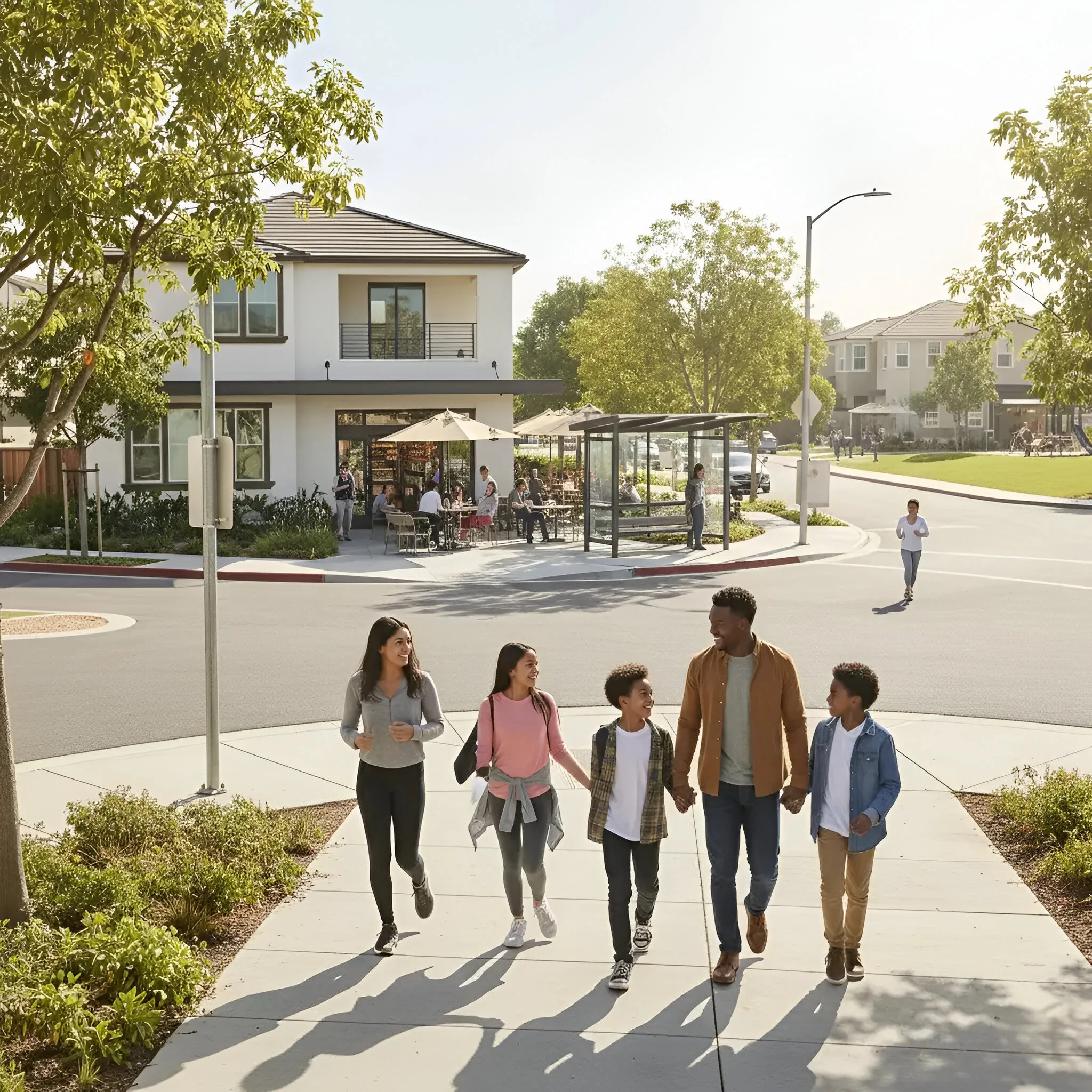
Finding a home isn’t just about choosing a house—it’s about selecting a neighborhood that complements your lifestyle. The right neighborhood provides comfort, convenience, and a sense of community, supporting both your daily routines and long-term happiness. Whether you value walkability, family-friendly environments, or a vibrant nightlife, making a thoughtful choice can significantly enhance your quality of life.
In this guide, we’ll explore practical strategies for choosing a neighborhood that balances lifestyle, convenience, and long-term value.
Understand Your Lifestyle Priorities
Before visiting properties, define your lifestyle priorities. Do you prefer a quiet suburban retreat or a bustling urban environment? Knowing your preferences will help narrow down your options and focus your search.
Identify Key Lifestyle Factors
- Daily Commute: How far are you willing to travel for work or school? A longer commute can reduce personal and family time.
- Social Amenities: Consider proximity to restaurants, coffee shops, parks, gyms, and entertainment venues.
- Family Needs: If you have children—or plan to—evaluate school quality, playgrounds, and after-school programs.
- Health and Fitness: Access to walking trails, recreational centers, and healthcare facilities can impact your well-being.
By assessing these priorities, you can create a shortlist of neighborhoods that enhance your lifestyle rather than disrupt it.
Research Neighborhood Safety and Community Culture
Safety and community vibe are critical factors that influence both comfort and property value. A neighborhood with low crime rates and a strong sense of community fosters long-term satisfaction.
Assess Safety Metrics
- Review local crime statistics online or through police department reports.
- Speak with neighbors or local business owners for first-hand insights.
- Observe the area at different times of day to gauge real-world safety.
Explore Community Culture
- Attend local events or farmers’ markets to meet residents.
- Evaluate whether the neighborhood aligns with your values and social preferences.
- Join online community groups or social media pages to understand ongoing neighborhood dynamics.
Neighborhoods with shared values and active engagement often provide a more enjoyable living experience.
Evaluate Essential Amenities and Convenience
Convenience plays a significant role in lifestyle satisfaction. Having essential services nearby reduces stress and maximizes leisure time.
Key Amenities to Consider
- Grocery Stores and Markets: Easy access to fresh food and daily necessities.
- Healthcare Facilities: Proximity to hospitals, clinics, and dental offices ensures peace of mind.
- Transportation Options: Access to public transport, bike paths, and major roads simplifies commuting.
- Recreation and Leisure: Parks, gyms, theaters, and restaurants enhance daily life.
Balancing convenience with lifestyle needs ensures the neighborhood complements your routines rather than hinders them.
Assess Long-Term Investment Potential
While lifestyle is crucial, choosing a neighborhood with strong property value potential ensures your investment grows over time.
Factors Affecting Property Value
- School District Quality: Homes in highly-rated districts often retain higher resale values.
- Upcoming Development: New infrastructure, retail centers, and transit hubs can boost property value.
- Historical Market Trends: Analyze local real estate trends to gauge appreciation potential.
- Neighborhood Stability: Areas with stable demographics and engaged communities tend to maintain value.
A balance between lifestyle and investment potential ensures your neighborhood remains a source of pride and financial stability.
Tips for a Smart Neighborhood Selection
- Spend Time in the Area – Walk around, visit local cafes, parks, and shops, and observe the environment at different times. First-hand experience is invaluable.
- Talk to Locals – Neighbors provide insights into community life, safety, and amenities that statistics may not reveal.
- Use Online Tools – Real estate websites, crime maps, school ratings, and transit apps can provide valuable data.
- Consider Future Growth – Look for areas with planned developments, which can enhance both lifestyle options and property value.
- List Non-Negotiables – Identify must-have features such as proximity to work or quality schools to avoid compromising essential lifestyle needs.
FAQs About Choosing the Right Neighborhood
1. How do I balance lifestyle and budget when selecting a neighborhood?
Prioritize your non-negotiable lifestyle features and consider neighborhoods that offer them within your budget. Trade-offs may be necessary, but focus on factors that impact daily satisfaction.
2. Are school ratings the most important factor for families?
While important, also consider community safety, convenience, and overall neighborhood culture for a well-rounded assessment.
3. How can I gauge a neighborhood’s safety before moving in?
Check crime statistics, speak with local residents, and observe the area at various times for a realistic perspective.
4. What amenities should I prioritize for a modern lifestyle?
Key amenities include transportation access, grocery stores, healthcare facilities, parks, and entertainment options.
5. Can choosing the wrong neighborhood affect resale value?
Yes. Neighborhood stability, local development, and school district quality all impact long-term property value and resale potential.
Ready to Find Your Perfect Neighborhood?
Don’t compromise your lifestyle for location. Our expert real estate team can help you find a neighborhood that aligns perfectly with your needs, priorities, and long-term goals.